A Decade of Change: The Enduring Legacy of the 1960s
Related Articles: A Decade of Change: The Enduring Legacy of the 1960s
Introduction
In this auspicious occasion, we are delighted to delve into the intriguing topic related to A Decade of Change: The Enduring Legacy of the 1960s. Let’s weave interesting information and offer fresh perspectives to the readers.
Table of Content
A Decade of Change: The Enduring Legacy of the 1960s
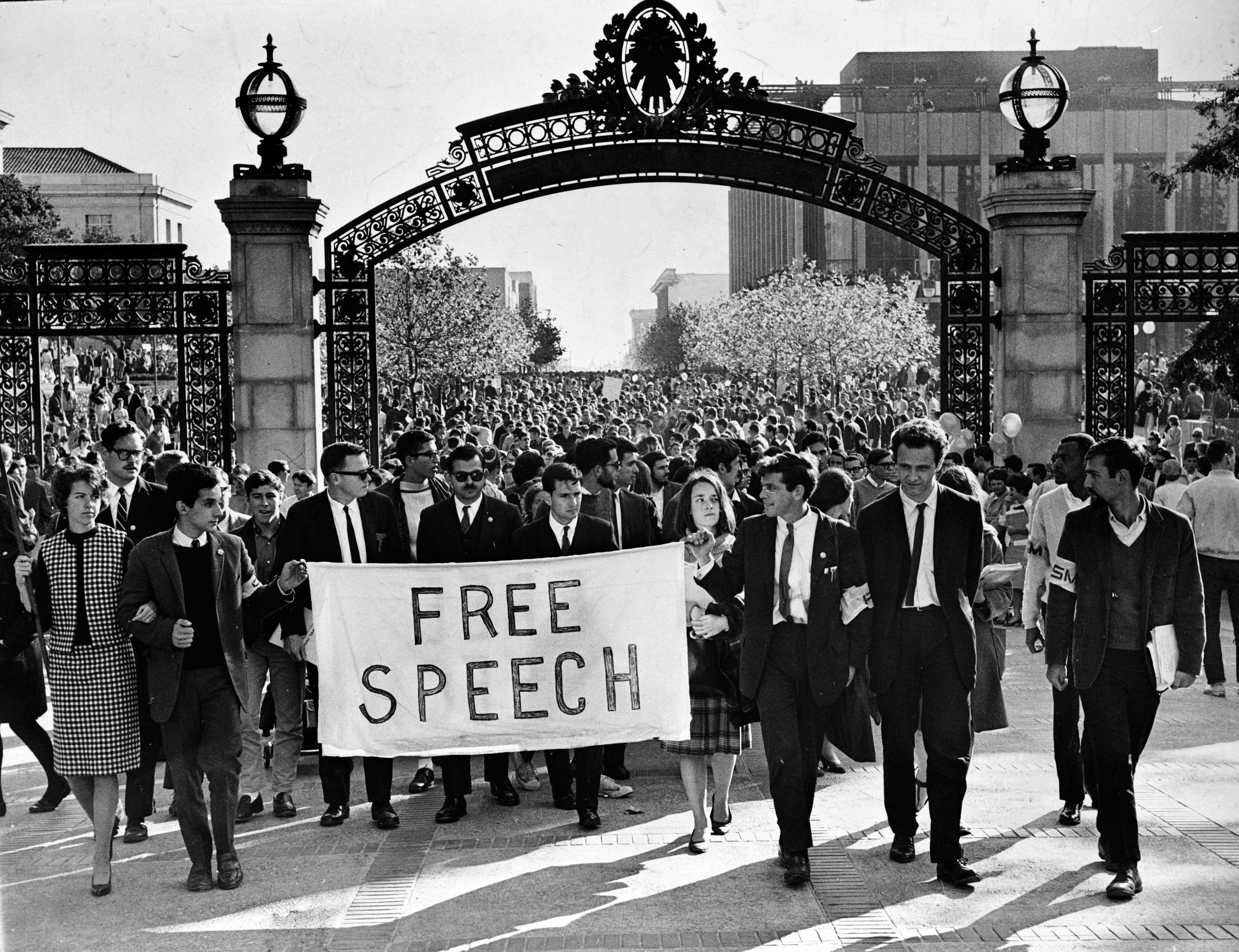
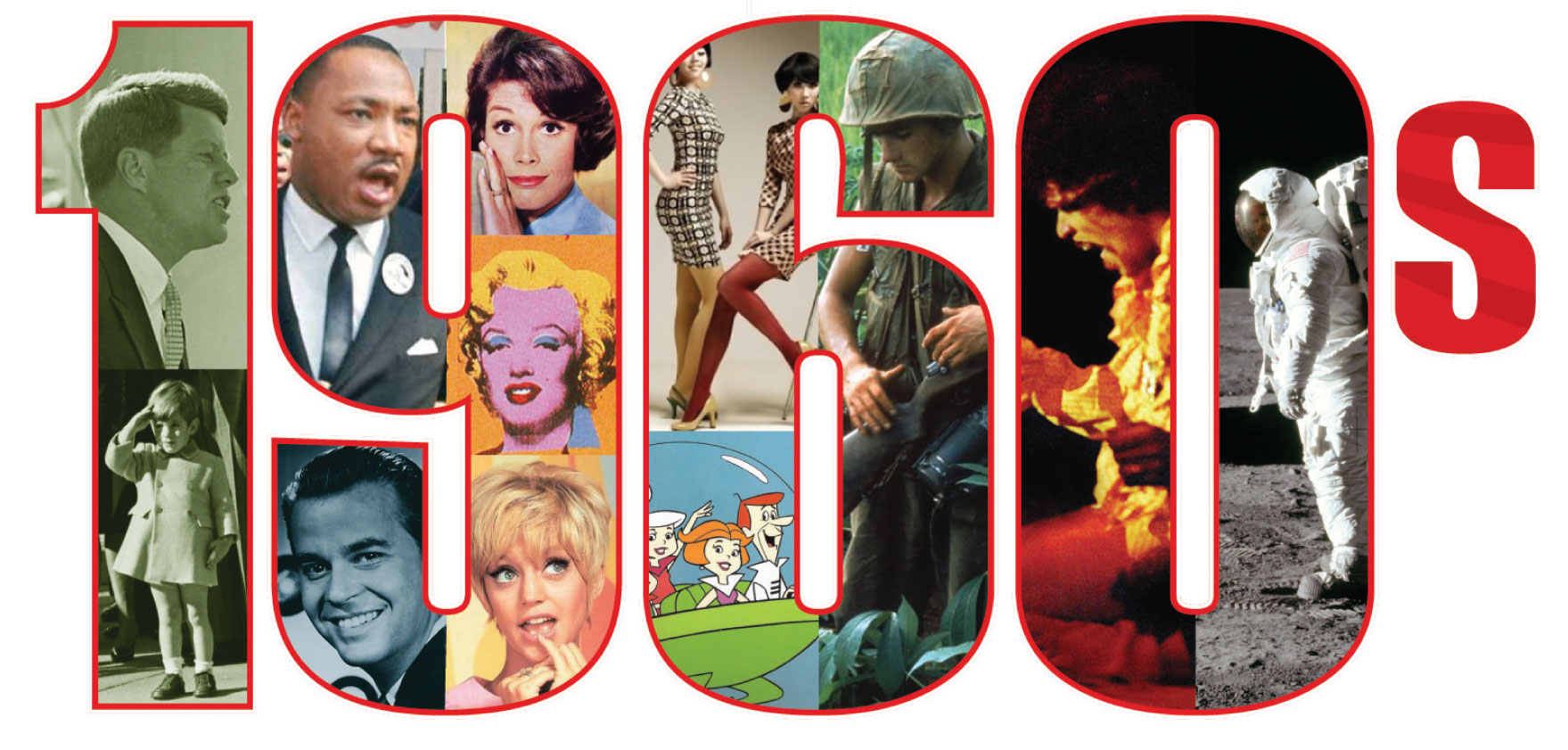
The 1960s, a period of immense social, cultural, and technological upheaval, left an indelible mark on the world. This decade witnessed a surge in civil rights activism, a burgeoning counterculture, and the dawn of the space age, all contributing to a profound shift in global consciousness. The innovations and movements born during this era continue to shape our present and influence our future.
A Cultural Revolution: From Beatniks to Hippies
The 1960s witnessed a cultural revolution that challenged traditional norms and values. The Beat Generation, with its emphasis on nonconformity and artistic expression, paved the way for the counterculture movement that blossomed in the mid-1960s. This movement, often associated with the "hippie" subculture, embraced peace, love, and communal living, advocating for social justice and environmental awareness.
The counterculture’s impact was felt across various facets of society. Music, a powerful medium for expressing dissent and promoting social change, underwent a transformation. Rock and roll, with its rebellious spirit, gained immense popularity, while folk music emerged as a vehicle for social commentary and protest. Artists like Bob Dylan, Joan Baez, and Jimi Hendrix used their music to challenge the status quo and inspire a generation.
Fashion, too, reflected the spirit of the times. The traditional, conservative attire of the past was replaced with a more casual and expressive style. Jeans, T-shirts, and brightly colored clothing became symbols of rebellion against societal norms. The rise of tie-dye and psychedelic patterns further emphasized the counterculture’s embrace of individuality and self-expression.
The Civil Rights Movement: A Struggle for Equality
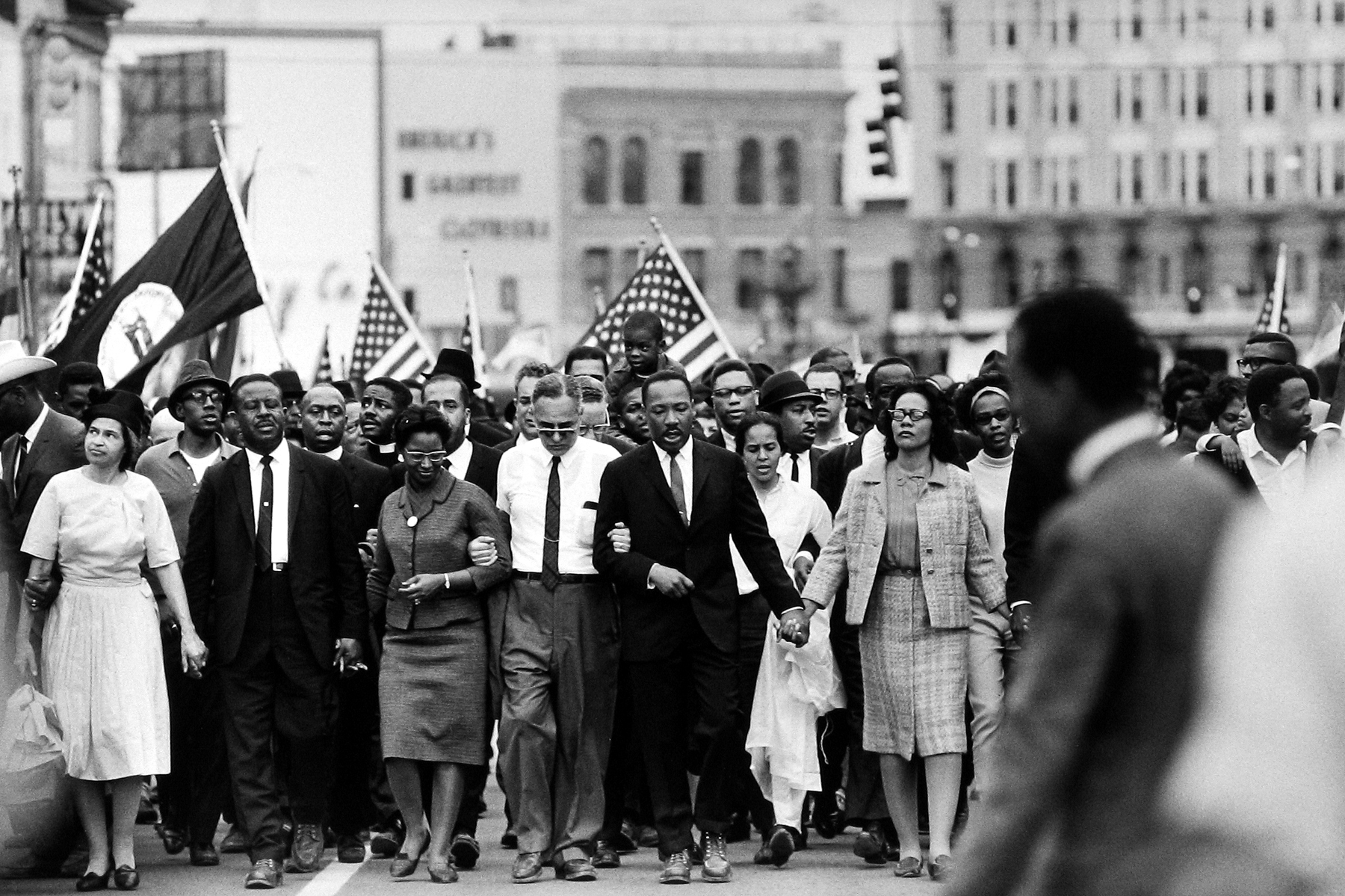
The 1960s saw a surge in the fight for civil rights, with African Americans leading the charge against racial segregation and discrimination. Martin Luther King Jr., with his philosophy of nonviolent resistance, became a symbol of hope and inspiration for the movement. The passage of the Civil Rights Act of 1964 and the Voting Rights Act of 1965 were major victories, dismantling legal segregation and expanding voting rights for African Americans.
The movement, however, was not without its challenges. The assassination of Martin Luther King Jr. in 1968 was a devastating blow, and the rise of Black Power, advocating for self-determination and black empowerment, highlighted the complexities and frustrations within the movement. Despite these setbacks, the Civil Rights Movement laid the foundation for a more just and equitable society, inspiring future generations to continue the fight for equality.
The Space Race: A Leap into the Unknown
The Cold War rivalry between the United States and the Soviet Union fueled an intense competition in space exploration. The launch of Sputnik 1 in 1957 by the Soviet Union marked a significant turning point, triggering a race to conquer the final frontier. The United States responded with its own space program, culminating in the historic Apollo 11 mission in 1969, which landed the first humans on the moon.
The space race not only pushed technological boundaries but also inspired a generation with the possibility of human exploration beyond Earth. The achievements of the era, from the first satellite launch to the moon landing, ignited a fascination with space and fueled scientific advancements that continue to shape our understanding of the universe.
Technological Advancements: Shaping the Future
The 1960s witnessed a surge in technological innovation, laying the foundation for the digital age we live in today. The invention of the integrated circuit, a miniaturized electronic circuit, revolutionized computing and paved the way for the development of personal computers and smartphones.
The development of the internet’s precursor, the ARPANET, in 1969, connected computers across the United States. This groundbreaking technology, initially used by researchers and the military, would eventually evolve into the global network we know today, connecting billions of people worldwide.
Enduring Impact: A Legacy of Progress and Change
The 1960s, a decade of upheaval and transformation, left an enduring legacy on the world. The cultural revolution, the Civil Rights Movement, and the space race fundamentally altered our perspectives on society, equality, and human potential. The technological innovations of the era continue to shape our lives, driving advancements in communication, computing, and space exploration.
While the 1960s were a time of great social and political unrest, they also marked a period of significant progress, pushing boundaries and inspiring generations to strive for a better future. The spirit of the era, with its emphasis on social justice, self-expression, and innovation, continues to resonate today, reminding us of the importance of challenging the status quo and striving for a more just and equitable world.
FAQs
Q: What were the major cultural shifts of the 1960s?
A: The 1960s witnessed a cultural revolution, characterized by the rise of the counterculture movement, which embraced peace, love, and communal living, challenging traditional norms and values. This shift was reflected in music, fashion, and art, with rock and roll, folk music, and psychedelic art becoming symbols of rebellion and self-expression.
Q: How did the Civil Rights Movement impact the United States?
A: The Civil Rights Movement, led by African Americans, fought against racial segregation and discrimination, leading to the passage of landmark legislation like the Civil Rights Act of 1964 and the Voting Rights Act of 1965. These victories dismantled legal segregation and expanded voting rights for African Americans, but the struggle for equality continues today.
Q: What were the key technological advancements of the 1960s?
A: The 1960s saw significant technological advancements, including the invention of the integrated circuit, which revolutionized computing, and the development of the ARPANET, a precursor to the internet, which connected computers across the United States. These innovations laid the foundation for the digital age we live in today.
Q: How did the space race impact the world?
A: The space race between the United States and the Soviet Union fueled intense scientific and technological development, culminating in the historic Apollo 11 mission, which landed the first humans on the moon. This achievement inspired a generation and pushed the boundaries of human exploration, leaving a lasting impact on our understanding of the universe.
Tips
To understand the 1960s:
- Explore primary sources: Read firsthand accounts, diaries, and letters from people who lived through the era to gain a deeper understanding of their experiences and perspectives.
- Listen to the music: The music of the 1960s offers a powerful glimpse into the cultural and social changes of the time. Explore artists like Bob Dylan, Jimi Hendrix, and Joan Baez to understand the era’s spirit.
- Watch documentaries and films: Documentaries and films from the 1960s provide valuable insights into the events, movements, and individuals that shaped the decade.
- Engage in discussions: Talking with people who lived through the 1960s can provide valuable insights and perspectives on the era’s impact on their lives and the world.
Conclusion
The 1960s, a decade of immense change and upheaval, left an enduring legacy on the world. The cultural revolution, the Civil Rights Movement, the space race, and technological advancements of the era continue to shape our present and influence our future. By understanding the events, movements, and individuals that defined this pivotal period, we can gain valuable insights into the complexities and challenges of our own time and strive for a more just and equitable world.




Closure
Thus, we hope this article has provided valuable insights into A Decade of Change: The Enduring Legacy of the 1960s. We appreciate your attention to our article. See you in our next article!