Shaping Dreams: A Comprehensive Guide to 3D Home Design Software
Related Articles: Shaping Dreams: A Comprehensive Guide to 3D Home Design Software
Introduction
With great pleasure, we will explore the intriguing topic related to Shaping Dreams: A Comprehensive Guide to 3D Home Design Software. Let’s weave interesting information and offer fresh perspectives to the readers.
Table of Content
Shaping Dreams: A Comprehensive Guide to 3D Home Design Software

The advent of 3D home design software has revolutionized the way individuals and professionals conceptualize and realize their dream homes. This technology empowers users to transcend the limitations of traditional blueprints and sketches, offering an immersive and interactive experience that allows them to visualize, explore, and refine their design ideas with unprecedented clarity.
Understanding the Landscape: A Deep Dive into 3D Home Design Software
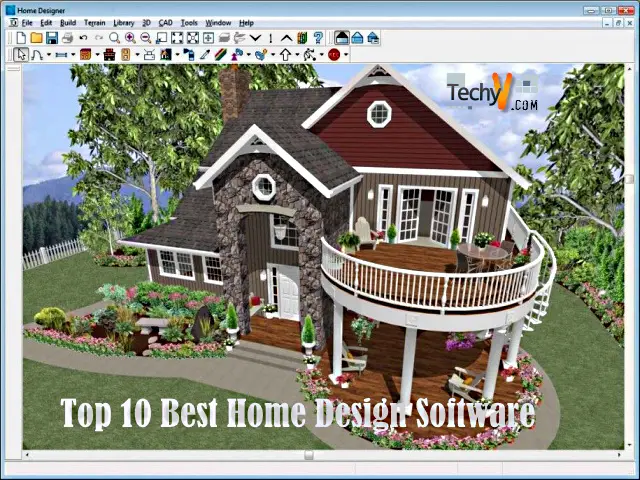
3D home design software encompasses a diverse range of applications, each tailored to cater to specific needs and skill levels. These programs leverage advanced algorithms and intuitive interfaces to facilitate the creation of detailed and realistic 3D models of homes, encompassing every aspect from floor plans and elevations to interior layouts and landscaping.
Key Features of 3D Home Design Software:
- Floor Plan Creation: The foundation of any home design project, software empowers users to create accurate and detailed floor plans. This involves defining room dimensions, wall placements, and door/window configurations.
- Elevation Views: Software provides multiple perspectives of the home, including front, rear, and side elevations, offering a comprehensive understanding of its exterior design.
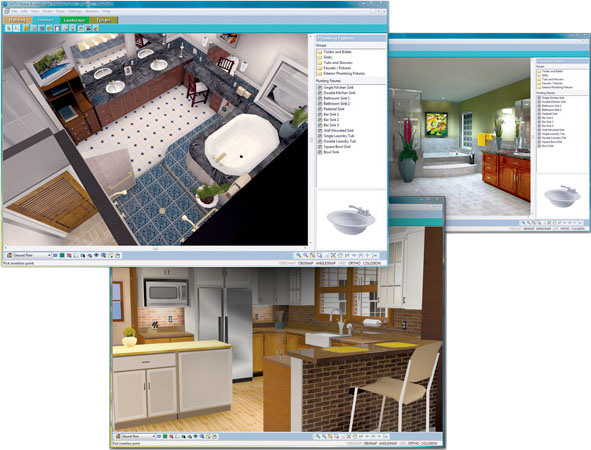
- 3D Modeling: The core functionality of 3D home design software. Users can add walls, doors, windows, furniture, appliances, and other elements to create a virtual representation of their home.
- Material and Texture Selection: Software allows users to apply a wide variety of materials and textures to surfaces, ranging from flooring and walls to countertops and cabinets. This adds realism and helps visualize the final aesthetic.
- Lighting and Shadows: Realistic lighting effects can be implemented to simulate natural and artificial light sources, enhancing the visual impact of the design and highlighting its spatial qualities.
- Furniture and Decor Placement: Software provides a library of furniture, fixtures, and decor items that can be placed within the virtual environment, allowing users to experiment with different layouts and styles.
- Virtual Tours: Some programs enable the creation of interactive virtual tours, allowing users to walk through the designed space and experience it as if it were real.
- Collaboration and Sharing: Many software options facilitate collaboration between designers, clients, and contractors, enabling seamless sharing of designs and facilitating communication.
Types of 3D Home Design Software:
The world of 3D home design software caters to a broad spectrum of users, from casual home enthusiasts to professional architects and designers. The software landscape can be broadly categorized into:
-
Beginner-Friendly Software: Designed for individuals with limited design experience, these programs offer simplified interfaces, intuitive tools, and pre-built templates. They focus on ease of use and accessibility, making home design accessible to a wider audience. Examples include:
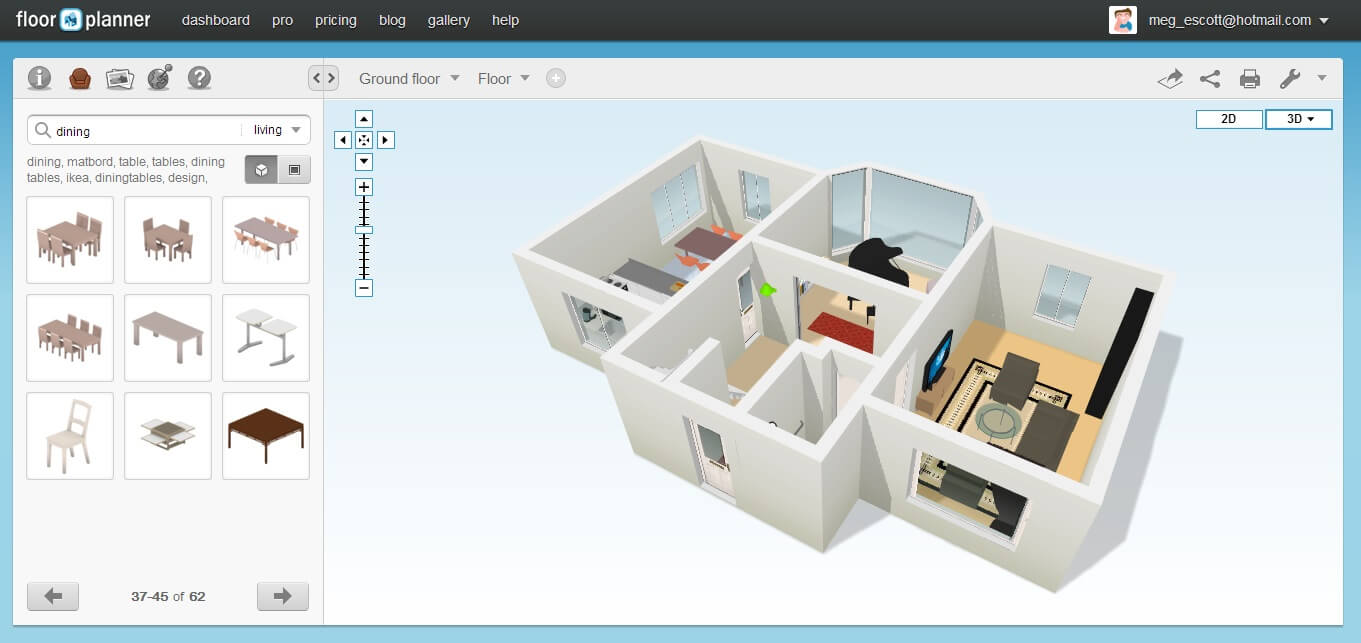
- Floorplanner: A web-based platform known for its user-friendly interface and comprehensive design tools.
- Sweet Home 3D: A free and open-source program that offers a simple yet effective approach to 3D home design.
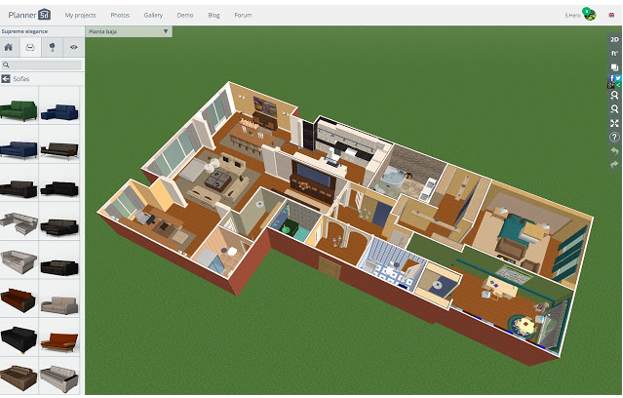
- Planner 5D: A user-friendly platform with a wide range of features, including realistic 3D rendering and virtual tour capabilities.
-
Intermediate Software: These programs offer a balance between user-friendliness and advanced functionality, making them suitable for individuals with some design experience or those seeking more control over their projects. Examples include:
- SketchUp: A popular program known for its intuitive modeling tools and extensive plugin library.
- Chief Architect: A feature-rich software designed for both residential and commercial design projects.
-
Professional-Grade Software: These programs are designed for professional architects, designers, and engineers. They offer advanced modeling capabilities, complex rendering options, and integration with industry-standard software. Examples include:
- Autodesk Revit: A powerful BIM (Building Information Modeling) software used for creating detailed and accurate 3D models.
- ArchiCAD: A comprehensive software solution known for its focus on architectural design and BIM capabilities.
Benefits of Using 3D Home Design Software:
The adoption of 3D home design software brings a multitude of advantages to both individuals and professionals:
- Enhanced Visualization: 3D models provide a realistic and immersive representation of the designed space, enabling users to visualize their ideas with unprecedented clarity. This eliminates ambiguity and reduces the risk of costly mistakes.
- Improved Communication: Software facilitates seamless communication between designers, clients, and contractors. Shared 3D models allow for clear and concise discussions, minimizing misunderstandings and ensuring everyone is on the same page.
- Cost Savings: By identifying potential issues and design flaws early in the process, software helps minimize costly revisions and rework later in the construction phase.
- Increased Efficiency: Software streamlines the design process, allowing users to experiment with different layouts, materials, and finishes quickly and efficiently. This reduces the time and effort required for traditional design methods.
- Exploration of Design Possibilities: Software empowers users to explore a wider range of design possibilities, experiment with different styles and layouts, and ultimately arrive at the optimal solution for their needs.
- Sustainability and Environmental Considerations: Some software options incorporate features that enable users to evaluate the environmental impact of their design choices, promoting sustainable building practices.
FAQs about 3D Home Design Software:
-
Q: What level of technical expertise is required to use 3D home design software?
- A: The level of technical expertise required varies depending on the software chosen. Beginner-friendly programs are designed for users with little to no prior experience, while professional-grade software requires a higher level of technical proficiency.
-
Q: Can I create realistic 3D renderings with 3D home design software?
- A: Yes, most 3D home design software includes features for creating realistic 3D renderings. The quality of the renderings depends on the software’s capabilities and the user’s skill level.
-
Q: Can I use 3D home design software to create blueprints and construction drawings?
- A: Some software options include features for generating blueprints and construction drawings. However, professional-grade software is typically recommended for these purposes.
-
Q: Is 3D home design software expensive?
- A: The cost of 3D home design software varies widely. Some programs are free, while others require a subscription or a one-time purchase. The price often reflects the software’s features and capabilities.
-
Q: What are the best 3D home design software options for beginners?
- A: For beginners, user-friendly options like Floorplanner, Sweet Home 3D, and Planner 5D are excellent choices. These programs offer intuitive interfaces and comprehensive design tools without overwhelming users with complex features.
Tips for Using 3D Home Design Software:
- Start with a Clear Vision: Before diving into the software, define your design goals and preferences. Consider the style, layout, and functionality you desire.
- Explore the Software’s Features: Familiarize yourself with the software’s capabilities and tools. Experiment with different features to understand their functionality and limitations.
- Use Templates and Pre-built Elements: Many programs offer pre-built templates and elements that can be customized to fit your design. This can save time and effort, especially for beginners.
- Pay Attention to Scale and Proportion: Ensure that all elements are scaled correctly to maintain realistic proportions in your design.
- Consider Lighting and Shadows: Realistic lighting can significantly impact the visual appeal of your design. Experiment with different light sources and settings to achieve the desired effect.
- Don’t Be Afraid to Experiment: 3D home design software allows for flexibility and experimentation. Try different layouts, materials, and finishes to find the perfect combination for your vision.
- Seek Feedback and Collaboration: Share your design with others and gather feedback. Collaborating with professionals or other designers can provide valuable insights and perspectives.
Conclusion:
3D home design software has become an indispensable tool for both individuals and professionals in the world of home design. Its ability to visualize, explore, and refine design ideas with unprecedented clarity and precision has revolutionized the way we conceptualize and realize our dream homes. By embracing this technology, we can unlock a world of creative possibilities and bring our design visions to life with greater accuracy, efficiency, and satisfaction.




Closure
Thus, we hope this article has provided valuable insights into Shaping Dreams: A Comprehensive Guide to 3D Home Design Software. We thank you for taking the time to read this article. See you in our next article!