Shaping Spaces: A Guide to Home Decor Trends and Best Practices for 2023
Related Articles: Shaping Spaces: A Guide to Home Decor Trends and Best Practices for 2023
Introduction
With great pleasure, we will explore the intriguing topic related to Shaping Spaces: A Guide to Home Decor Trends and Best Practices for 2023. Let’s weave interesting information and offer fresh perspectives to the readers.
Table of Content
Shaping Spaces: A Guide to Home Decor Trends and Best Practices for 2023
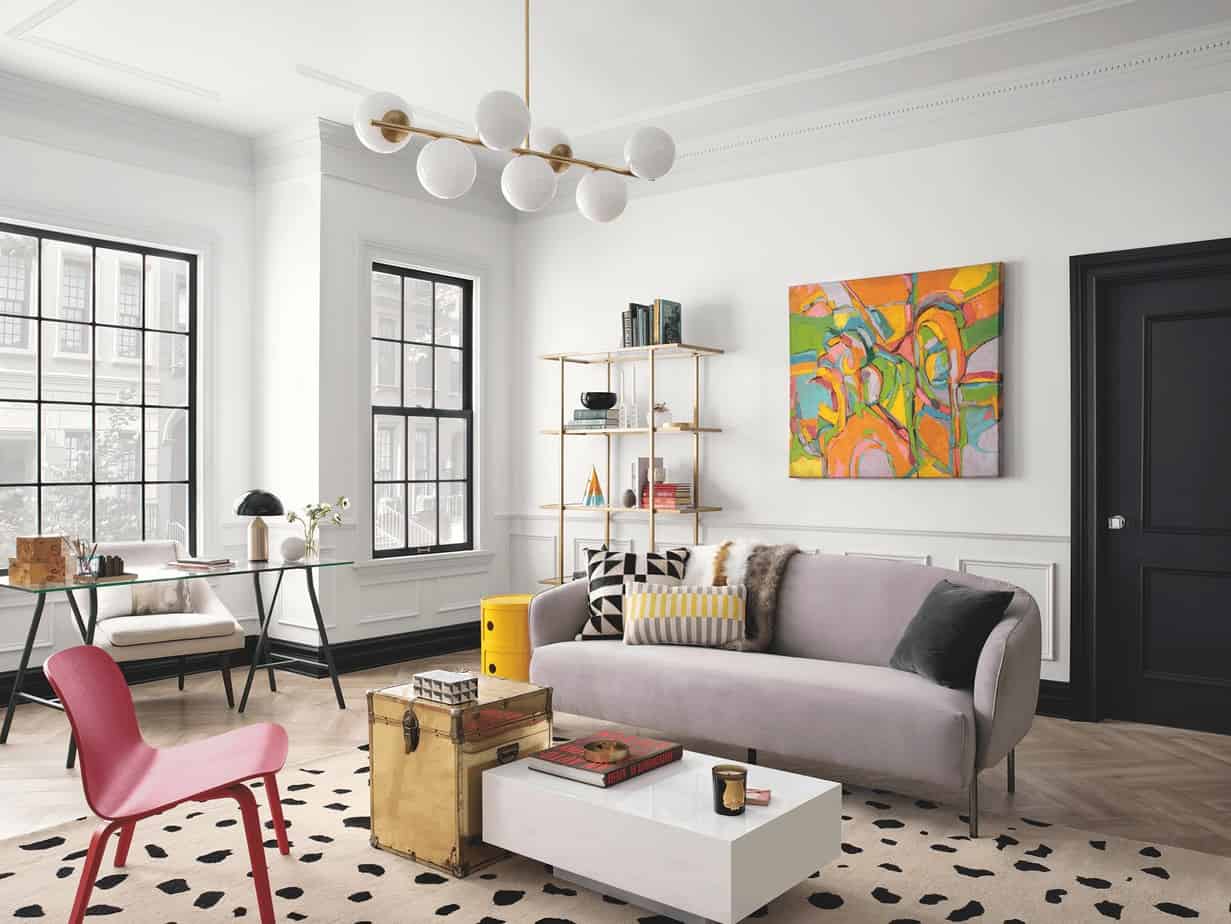
Home decor is more than just aesthetics; it’s an art form that reflects personal taste, cultivates a sense of well-being, and transforms spaces into havens of comfort and inspiration. In 2023, the landscape of home decor trends continues to evolve, driven by a confluence of influences ranging from sustainability and technology to a renewed emphasis on functionality and personalized expression. This comprehensive guide explores the key trends, best practices, and essential considerations for creating a home that is both stylish and conducive to a fulfilling life.
Embracing Sustainability: A Conscious Approach to Home Design
Sustainability is no longer a niche concept; it is a fundamental principle shaping every aspect of modern living. In home decor, this translates into a conscious shift towards eco-friendly materials, responsible sourcing, and durable design.
- Natural Materials: The use of natural materials like wood, bamboo, jute, and linen is gaining momentum. These materials are renewable, biodegradable, and often possess inherent beauty, adding warmth and texture to spaces.
- Upcycling and Repurposing: Giving new life to old furniture and objects is a sustainable practice that fosters creativity and reduces waste. Repurposing vintage pieces, incorporating salvaged materials, and utilizing DIY techniques can create unique and eco-conscious decor.
- Locally Sourced Products: Supporting local artisans and manufacturers minimizes transportation emissions and fosters community engagement. Opting for furniture and decor made locally reduces the environmental impact associated with long-distance shipping.
The Rise of Biophilic Design: Connecting with Nature Indoors
Biophilic design, which incorporates elements of nature into built environments, is gaining widespread recognition for its positive impact on well-being. Bringing the outdoors in can create a sense of tranquility, reduce stress, and enhance creativity.
- Indoor Greenery: Plants are the cornerstone of biophilic design. From lush foliage to flowering succulents, incorporating greenery adds life and vibrancy to any space.
- Natural Light and Ventilation: Maximizing natural light and ventilation creates a connection with the outdoors and promotes a sense of openness. Strategically placed windows, skylights, and open floor plans can enhance this connection.
- Organic Shapes and Textures: Natural materials like stone, wood, and woven textiles mimic the textures and forms found in nature. Integrating these elements into the design scheme creates a harmonious and calming atmosphere.
Technology and Home Decor: A Seamless Integration
Technology continues to permeate every aspect of our lives, and home decor is no exception. Smart home technology, virtual reality design tools, and online platforms are transforming the way we plan, design, and manage our living spaces.
- Smart Home Automation: Integrating smart devices like voice assistants, automated lighting systems, and smart thermostats enhances convenience and energy efficiency.
- Virtual Reality Design Tools: VR tools allow homeowners to visualize their design ideas in a three-dimensional space before committing to any changes. This fosters a more informed and personalized approach to decorating.
- Online Design Platforms: Online platforms offer a wealth of resources for inspiration, product discovery, and design guidance. These platforms connect homeowners with designers, contractors, and retailers, simplifying the design process.
The Enduring Appeal of Minimalism: Cultivating Simplicity and Functionality
Minimalism, characterized by clean lines, a focus on functionality, and a pared-down aesthetic, continues to resonate with many. This approach prioritizes quality over quantity, emphasizing the importance of each item in the space.
- Decluttering and Organization: Minimalism encourages a mindful approach to possessions, promoting decluttering and organization. This creates a sense of spaciousness and clarity.
- Multifunctional Furniture: Investing in furniture that serves multiple purposes maximizes space and reduces clutter. Sofa beds, storage ottomans, and modular furniture offer versatility and functionality.
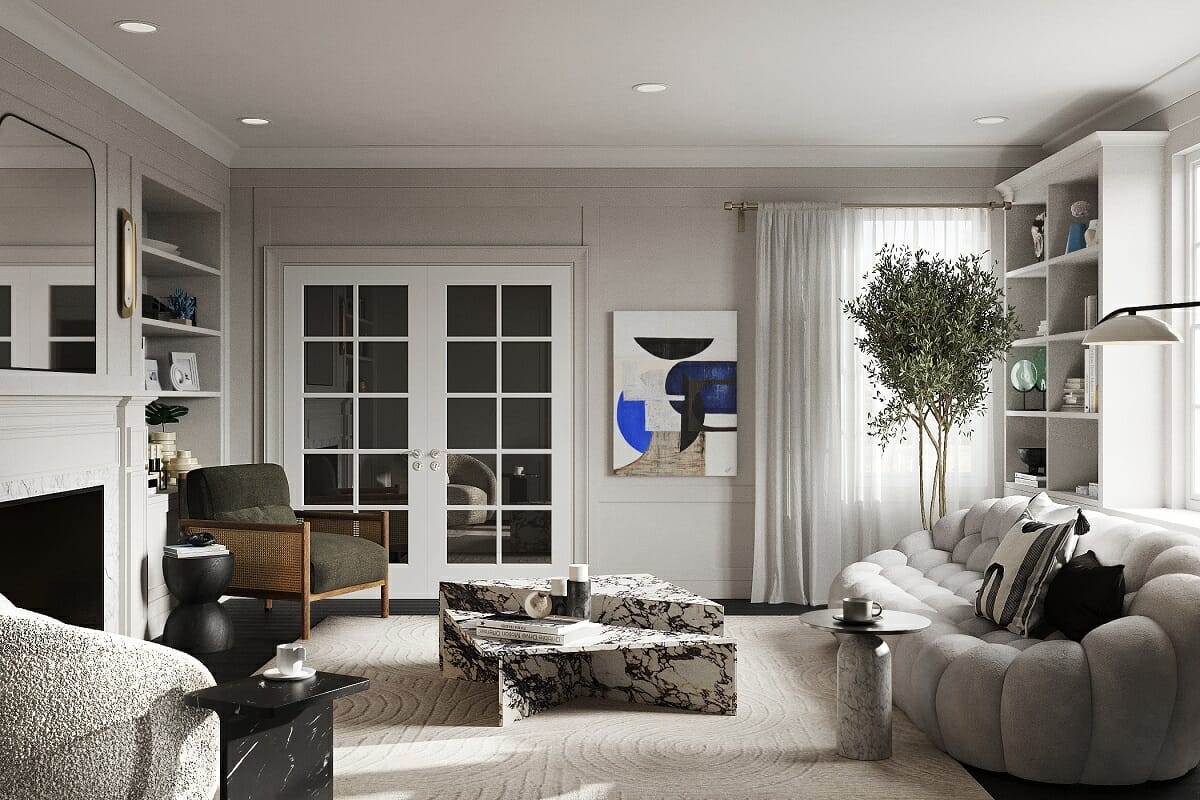
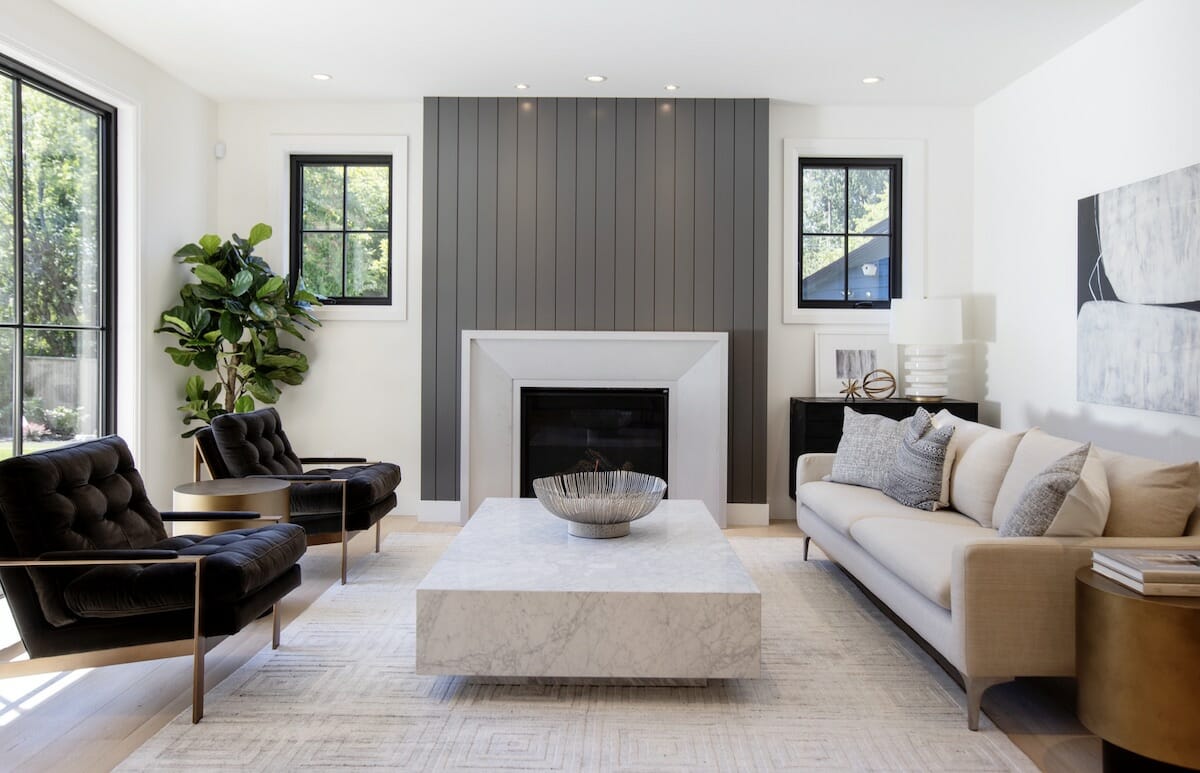
- Neutral Color Palettes: Minimalist interiors often feature neutral color palettes, creating a backdrop for statement pieces and personal touches. White, gray, beige, and black provide a sense of calm and serenity.
The Power of Personalization: Reflecting Individuality in Decor
While trends offer inspiration, ultimately, home decor should reflect the unique personality and interests of the homeowner. Personalization adds warmth, character, and a sense of belonging to a space.
- Art and Collectibles: Displaying artwork, photographs, and cherished objects adds a personal touch and tells a story about the homeowner’s life and interests.
- Travel Souvenirs: Incorporating mementos from travels creates a sense of adventure and connects the space to personal experiences.
- Personalized Touches: Custom-made furniture, personalized artwork, or handcrafted items reflect the homeowner’s individual style and add a touch of uniqueness.
Creating a Cohesive and Harmonious Space
Achieving a cohesive and harmonious design requires careful consideration of various elements, including color, texture, lighting, and furniture placement.
- Color Psychology: Color plays a significant role in setting the mood and atmosphere of a space. Warm colors like red and orange evoke energy and warmth, while cool colors like blue and green promote calmness and serenity.
- Texture and Pattern: Mixing textures and patterns adds visual interest and depth to a space. For example, a smooth velvet sofa can be paired with a textured throw blanket and a patterned rug.
- Lighting: Lighting is crucial for creating ambiance and highlighting key features. Natural light should be maximized, and artificial lighting should be carefully considered to create a balanced and inviting atmosphere.
- Furniture Placement: Strategic furniture placement maximizes space, creates flow, and defines different areas within a room. Consider the size and scale of furniture, as well as its function, when arranging pieces.
The Importance of Comfort and Functionality
While aesthetics are important, the primary function of a home is to provide comfort and functionality. Decorating decisions should prioritize these aspects to create a space that is both stylish and practical.
- Ergonomic Furniture: Investing in comfortable and ergonomically designed furniture is crucial for promoting well-being and reducing physical strain.
- Storage Solutions: Adequate storage solutions keep clutter at bay and create a sense of order. Built-in shelving, cabinets, and storage ottomans maximize functionality.
- Acoustics: Consider the acoustics of a space to create a comfortable and inviting environment. Soft furnishings, carpets, and acoustic panels can help absorb sound and reduce noise levels.
Key Considerations for Home Decor
- Budget: Setting a realistic budget is essential for successful home decor. Prioritize spending on key pieces and consider cost-effective alternatives for smaller items.
- Lifestyle: Consider your lifestyle and daily routines when making decorating decisions. Choose furniture and decor that suits your needs and habits.
- Personal Style: Embrace your personal style and don’t be afraid to experiment with different elements to create a space that reflects your taste and individuality.
Frequently Asked Questions (FAQs)
Q: What are some popular home decor styles in 2023?
A: Several styles are gaining traction in 2023, including:
- Mid-Century Modern: Characterized by clean lines, organic shapes, and a focus on functionality.
- Scandinavian: Emphasizes simplicity, natural materials, and a light and airy aesthetic.
- Bohemian: Incorporates eclectic elements, global influences, and a relaxed and bohemian vibe.
- Industrial Chic: Combines industrial elements like exposed brick, metal accents, and reclaimed wood with modern furniture and accessories.
Q: How can I make my home feel more welcoming?
A: Creating a welcoming home involves paying attention to details:
- Warm Color Palette: Use warm colors like beige, cream, or soft yellows to create a sense of comfort and warmth.
- Inviting Lighting: Use a combination of ambient, task, and accent lighting to create a warm and inviting atmosphere.
- Comfortable Seating: Ensure ample seating options for guests, including comfortable sofas, armchairs, and ottomans.
- Personal Touches: Display family photographs, artwork, or travel souvenirs to add a personal touch and make guests feel welcome.
Q: What are some tips for decorating a small space?
A: Maximizing space in a small home requires strategic planning:
- Multifunctional Furniture: Invest in furniture that serves multiple purposes, such as a sofa bed or a coffee table with built-in storage.
- Light and Airy Colors: Use light and airy colors to make the space feel larger and brighter.
- Mirrors: Strategically placed mirrors can reflect light and create the illusion of more space.
- Vertical Storage: Utilize vertical space with shelves, wall-mounted storage units, and hanging organizers.
Tips for Home Decor
- Start with a Mood Board: Create a visual representation of your desired style and color palette to guide your decorating decisions.
- Don’t Be Afraid to Experiment: Try different styles and elements until you find what works best for you.
- Take Your Time: Home decor is a process, so don’t rush into making decisions. Consider your options carefully and allow yourself time to adjust to changes.
- Seek Professional Advice: If you need guidance, consider consulting a professional interior designer for personalized advice and design solutions.
Conclusion
Home decor is a dynamic and evolving field that reflects the changing needs and aspirations of individuals. By embracing sustainability, incorporating biophilic design elements, leveraging technology, and embracing personalization, homeowners can create spaces that are both stylish and conducive to a fulfilling life. Ultimately, the goal is to create a home that is a reflection of personal style, a haven of comfort, and a source of inspiration.

:max_bytes(150000):strip_icc()/2023-living-room-trends-6749661-hero-7609b4b0cf124f3889e87e5c7ee7b32e.jpg)

Closure
Thus, we hope this article has provided valuable insights into Shaping Spaces: A Guide to Home Decor Trends and Best Practices for 2023. We thank you for taking the time to read this article. See you in our next article!