The Enduring Presence of Statues: Exploring the World of Five-Foot-One-Inch Sculptures
Related Articles: The Enduring Presence of Statues: Exploring the World of Five-Foot-One-Inch Sculptures
Introduction
With great pleasure, we will explore the intriguing topic related to The Enduring Presence of Statues: Exploring the World of Five-Foot-One-Inch Sculptures. Let’s weave interesting information and offer fresh perspectives to the readers.
Table of Content
The Enduring Presence of Statues: Exploring the World of Five-Foot-One-Inch Sculptures
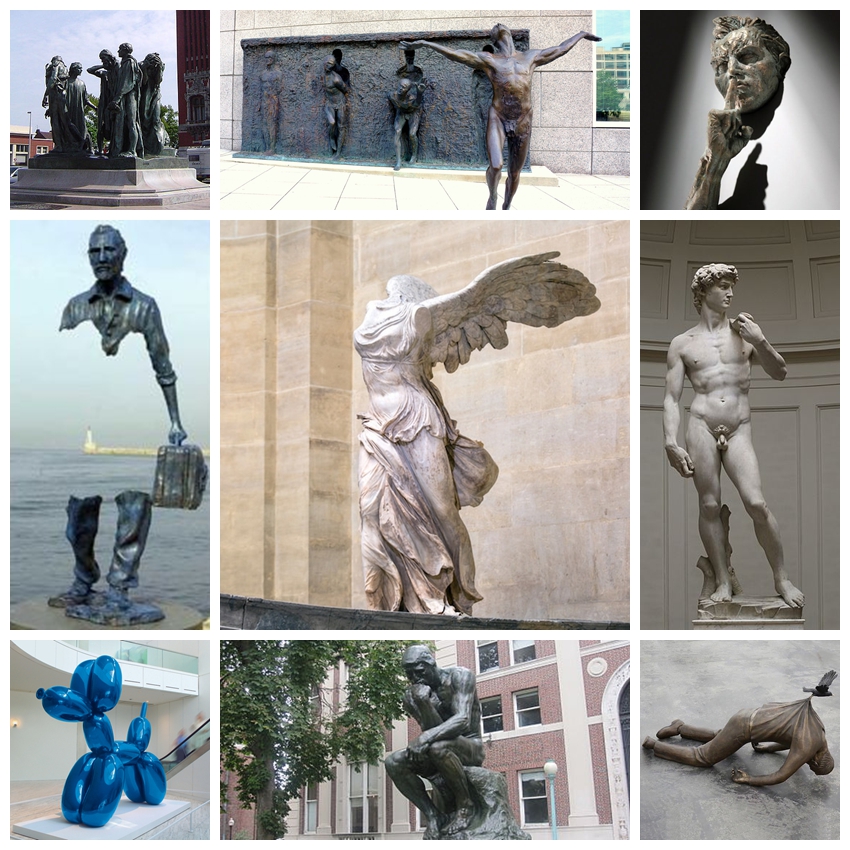
The world of statues is vast and diverse, encompassing a spectrum of sizes, materials, and artistic expressions. Among this range, a particular height stands out: five feet one inch. While this measurement might seem unremarkable at first glance, it represents a significant category of sculptures with a rich history and profound cultural significance.
This specific height, while not universally standardized, appears frequently in various cultures and historical periods. It often reflects a deliberate choice by artists to achieve a particular aesthetic or symbolic effect.
Why Five Feet One Inch?
The choice of five feet one inch for statues is often driven by a combination of factors, including:
- Human Scale: This height often approximates the average human stature, fostering a sense of connection and intimacy between the viewer and the subject. It allows for a more personal engagement with the sculpture, blurring the line between observer and observed.
- Architectural Harmony: Statues of this height are often incorporated into architectural spaces, creating a sense of balance and visual harmony. They can act as focal points, directing the viewer’s attention, or blend seamlessly with the surrounding environment, enhancing the overall aesthetic.
- Symbolic Representation: The height can hold symbolic meaning depending on the context. It might represent a specific individual’s stature, a societal ideal, or a spiritual entity.
Examples of Five-Foot-One-Inch Statues Across History
Throughout history, countless statues have been crafted at this specific height, showcasing a remarkable range of styles and themes. Some notable examples include:
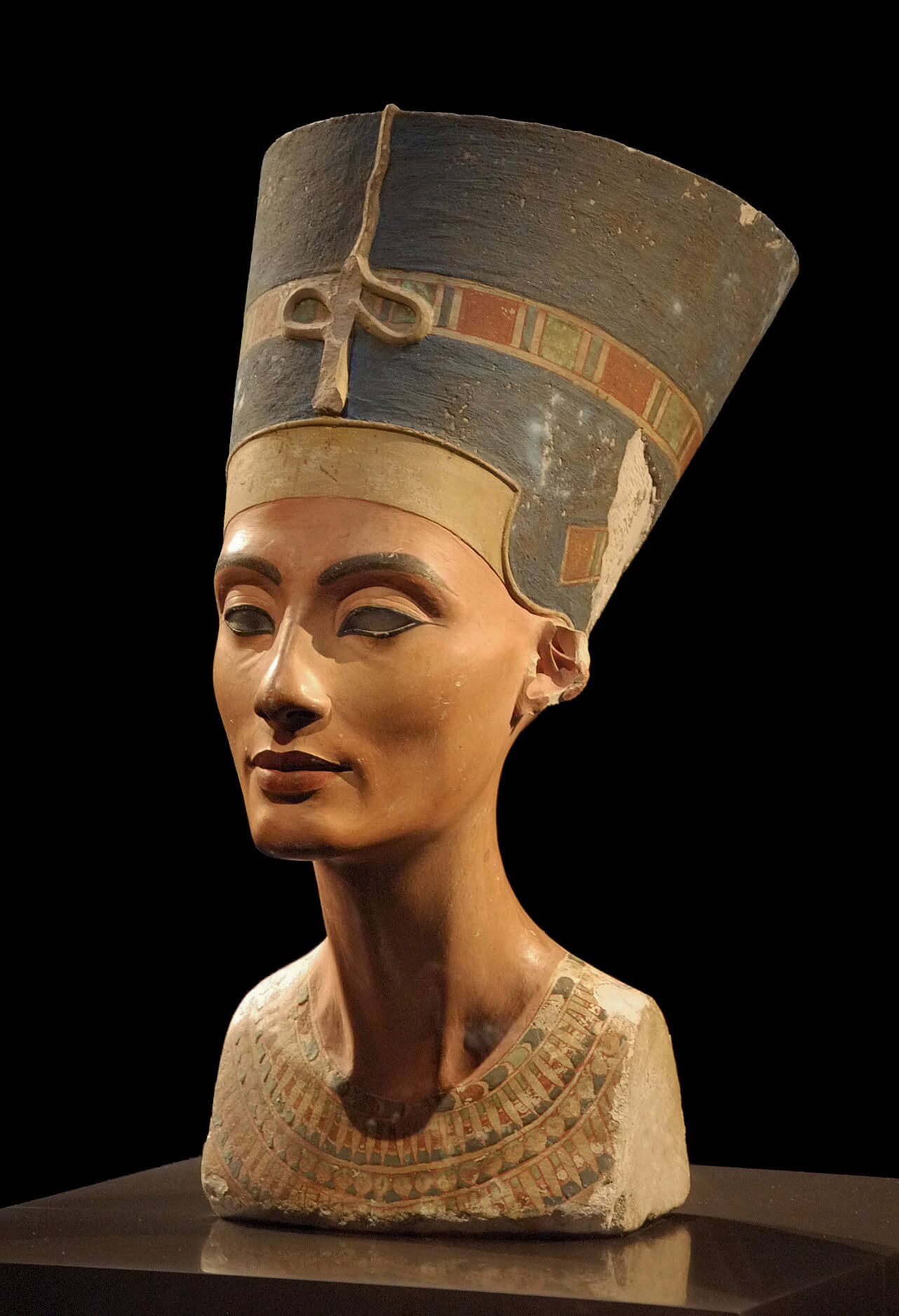
- Ancient Egypt: The iconic statues of pharaohs and deities often stood around five feet one inch, reflecting the importance of human representation in their religious beliefs.
- Ancient Greece: The classical Greek sculptures, such as the "Hermes of Praxiteles," often stood at this height, capturing the ideal human form in a lifelike manner.
- Renaissance Italy: During this period, artists like Donatello and Michelangelo sculpted numerous figures at this height, emphasizing realism and human emotion.
- Modern Art: Contemporary artists continue to explore the potential of this height, creating abstract and figurative sculptures that challenge traditional notions of representation.
The Importance of Scale in Sculpture
The height of a statue is not merely a physical dimension; it plays a crucial role in shaping its impact and meaning. Five feet one inch, in particular, offers a unique balance between grandeur and intimacy.
- A Sense of Intimacy: This height allows for a close encounter with the sculpture, inviting the viewer to engage with its details and emotions. It fosters a sense of intimacy and connection, blurring the boundary between art and life.
- A Sense of Presence: While not overwhelming in size, this height provides a significant presence, commanding attention and inviting contemplation. It allows for a more personal and intimate interaction with the work, fostering a deeper understanding of its message.
The Significance of Five-Foot-One-Inch Statues in Contemporary Art
Contemporary artists continue to explore the possibilities of this height in their sculptures, pushing the boundaries of traditional representation and engaging with contemporary themes.
- Challenging Conventions: Modern sculptures at this height often challenge the traditional use of scale and proportion, questioning the relationship between the viewer and the artwork.
- Exploring Materiality: Contemporary artists experiment with diverse materials, from traditional bronze and marble to unconventional materials like recycled plastics and found objects, reflecting a changing world and artistic sensibility.
- Expressing Identity: Five-foot-one-inch statues in contemporary art often address themes of identity, representation, and social commentary, reflecting the complexities of the modern world.
FAQs
Q: What are the benefits of sculpting statues at five feet one inch?
A: This height offers a balance between grandeur and intimacy, allowing for a personal engagement with the sculpture while maintaining a significant presence. It also aligns with the average human stature, fostering a sense of connection and understanding.
Q: What are some examples of famous statues at five feet one inch?
A: Examples include the "Hermes of Praxiteles" from ancient Greece, "David" by Donatello from the Renaissance, and contemporary sculptures by artists like Louise Bourgeois and Jeff Koons.
Q: What are the challenges of sculpting statues at five feet one inch?
A: Creating a sculpture at this height requires careful attention to detail and proportion to ensure a balanced and aesthetically pleasing composition. It can also present logistical challenges in terms of transportation and display.
Q: What are the future prospects for five-foot-one-inch statues in art?
A: Contemporary artists continue to explore the potential of this height, pushing the boundaries of traditional representation and engaging with contemporary themes. This height will likely remain relevant in future art forms, reflecting the ongoing dialogue between art and society.
Tips for Viewing Five-Foot-One-Inch Statues
- Engage with the Details: Spend time observing the sculpture closely, noticing the nuances of its form, texture, and expression.
- Consider the Context: Think about the historical, cultural, and artistic context of the sculpture, understanding its significance within a broader framework.
- Reflect on the Message: Consider what the sculpture conveys about humanity, society, or the artist’s perspective.
Conclusion
Five feet one inch represents a significant category of sculptures with a rich history and profound cultural significance. This height, often chosen for its balance between grandeur and intimacy, has allowed artists across time and cultures to express a wide range of themes and ideas. From ancient Egyptian pharaohs to contemporary abstract sculptures, five-foot-one-inch statues continue to engage viewers, inspire reflection, and shape our understanding of the world around us.





Closure
Thus, we hope this article has provided valuable insights into The Enduring Presence of Statues: Exploring the World of Five-Foot-One-Inch Sculptures. We hope you find this article informative and beneficial. See you in our next article!