the stephen f austin
Related Articles: the stephen f austin
Introduction
With enthusiasm, let’s navigate through the intriguing topic related to the stephen f austin. Let’s weave interesting information and offer fresh perspectives to the readers.
Table of Content
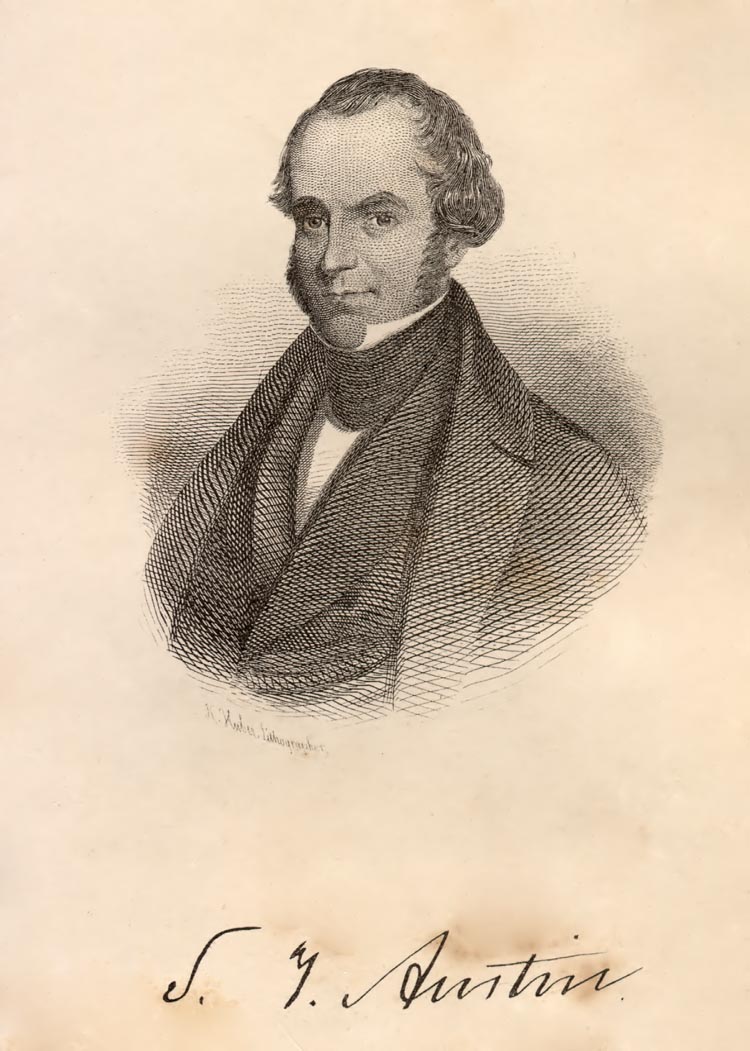
Stephen F. Austin: The Architect of Texas
/Austin-56a58a965f9b58b7d0dd4cd1.jpg)
Stephen F. Austin, a visionary leader and skilled diplomat, stands as a pivotal figure in the history of Texas. His legacy extends far beyond the establishment of the first Anglo-American colony in the region, impacting the political, social, and cultural landscape of the state in profound ways. This article delves into the life and achievements of Stephen F. Austin, highlighting his crucial role in shaping the destiny of Texas.
Early Life and Education:
Stephen F. Austin was born in 1793 in Virginia, the son of William Barret Travis Austin, a prominent politician and land speculator. The family moved to Missouri in 1807, where Stephen received his education. He demonstrated a strong aptitude for business and law, eventually establishing himself as a successful lawyer and land surveyor.
The Genesis of Texas Colonization:
In 1821, following the Mexican War of Independence, Mexico opened its northern territories to Anglo-American settlers. This opportunity was seized by Moses Austin, Stephen’s father, who secured a grant to establish a colony in Texas. Moses Austin tragically died before realizing his vision, leaving the responsibility to his son.
Stephen F. Austin: The Father of Texas
Stephen F. Austin, inheriting his father’s ambition and determination, embarked on a journey that would forever alter the course of Texas history. He secured a land grant from the Mexican government in 1825 and began recruiting settlers for his colony. The first colonists arrived in Texas in 1825, marking the beginning of Anglo-American settlement in the region.
Austin’s leadership extended beyond simply attracting settlers. He established a system of government for his colony, including a local council and a judicial system. He also negotiated agreements with the local Native American tribes, ensuring peace and stability in the region.
The Rise of Texan Nationalism:
As the Anglo-American population in Texas grew, so did the desire for greater autonomy from Mexico. Austin, a firm believer in the principles of self-government, played a pivotal role in fostering this sentiment. He advocated for greater representation in the Mexican government and pushed for reforms that would address the concerns of the Texas colonists.
The Texas Revolution:
Despite Austin’s efforts, tensions between the Texas colonists and the Mexican government escalated, culminating in the Texas Revolution in 1835. Austin was arrested by the Mexican authorities for his advocacy for Texan independence and was imprisoned for two years. Upon his release, he returned to Texas and joined the fight for independence.
The Legacy of Stephen F. Austin:
Stephen F. Austin died in 1836, just before the Battle of San Jacinto, which secured Texas independence. However, his impact on the state was immeasurable. He is widely recognized as the "Father of Texas" for his role in establishing the first Anglo-American colony, fostering Texan nationalism, and laying the groundwork for the state’s independence.
Stephen F. Austin: A Complex Figure
It is important to note that Stephen F. Austin was a complex figure whose actions and beliefs reflect the complexities of his time. He was a staunch advocate for self-government and individual liberty, but he also owned slaves and upheld the institution of slavery. His legacy, therefore, is not without its controversies.
Stephen F. Austin: A Lasting Influence
Despite the complexities of his character, Stephen F. Austin’s legacy remains deeply intertwined with the history and identity of Texas. He is celebrated as a visionary leader, a skilled diplomat, and a champion of self-determination. His contributions to the state, from establishing the first Anglo-American colony to fostering Texan nationalism, continue to shape the landscape of Texas today.
FAQs about Stephen F. Austin:
1. What were Stephen F. Austin’s main contributions to Texas?
Stephen F. Austin is widely recognized for establishing the first Anglo-American colony in Texas, fostering Texan nationalism, and playing a crucial role in the Texas Revolution. His leadership and vision paved the way for the state’s independence and shaped its cultural and political landscape.
2. What was Stephen F. Austin’s relationship with the Mexican government?
Stephen F. Austin initially sought to establish a harmonious relationship with the Mexican government, advocating for the rights and interests of the Texas colonists. However, as tensions escalated, he became a vocal critic of the Mexican government and actively supported Texan independence.
3. How did Stephen F. Austin’s vision for Texas differ from that of other early settlers?
Stephen F. Austin envisioned a Texas that was both independent and prosperous, with a strong emphasis on self-government and individual liberty. His vision differed from that of some other early settlers who sought to maintain close ties with the United States.
4. What were the main challenges Stephen F. Austin faced in establishing his colony?
Stephen F. Austin faced numerous challenges in establishing his colony, including securing funding, recruiting settlers, navigating the complex legal and political landscape of Mexico, and managing relations with Native American tribes.
5. How did Stephen F. Austin’s legacy impact the development of Texas?
Stephen F. Austin’s legacy continues to shape the development of Texas. His vision of self-government and individual liberty has been enshrined in the state’s constitution and continues to influence its political and cultural landscape.
Tips for Studying Stephen F. Austin:
1. Explore Primary Sources:
Delve into primary sources such as letters, diaries, and official documents to gain a deeper understanding of Stephen F. Austin’s life and work.
2. Examine the Context:
Place Stephen F. Austin’s life and achievements within the broader context of the time period, including the Mexican War of Independence, the rise of Anglo-American expansionism, and the growing tensions between Texas colonists and the Mexican government.
3. Consider Multiple Perspectives:
Explore different perspectives on Stephen F. Austin’s life and legacy, acknowledging the complexities of his character and the challenges of his time.
4. Analyze his Impact:
Examine the lasting impact of Stephen F. Austin’s contributions to Texas, including his role in establishing the first Anglo-American colony, fostering Texan nationalism, and shaping the state’s political and cultural landscape.
Conclusion:
Stephen F. Austin’s life and achievements stand as a testament to his vision, leadership, and unwavering commitment to self-government. His legacy continues to shape the landscape of Texas, serving as a reminder of the importance of individual liberty, the power of perseverance, and the enduring spirit of self-determination. As the "Father of Texas," his name remains synonymous with the state’s history, reminding us of the complex and often-controversial events that led to its independence and the enduring legacy of its founding fathers.
:max_bytes(150000):strip_icc()/StephenF.Austin-5c898a5ec9e77c0001f2ad91.jpg)






Closure
Thus, we hope this article has provided valuable insights into the stephen f austin. We hope you find this article informative and beneficial. See you in our next article!